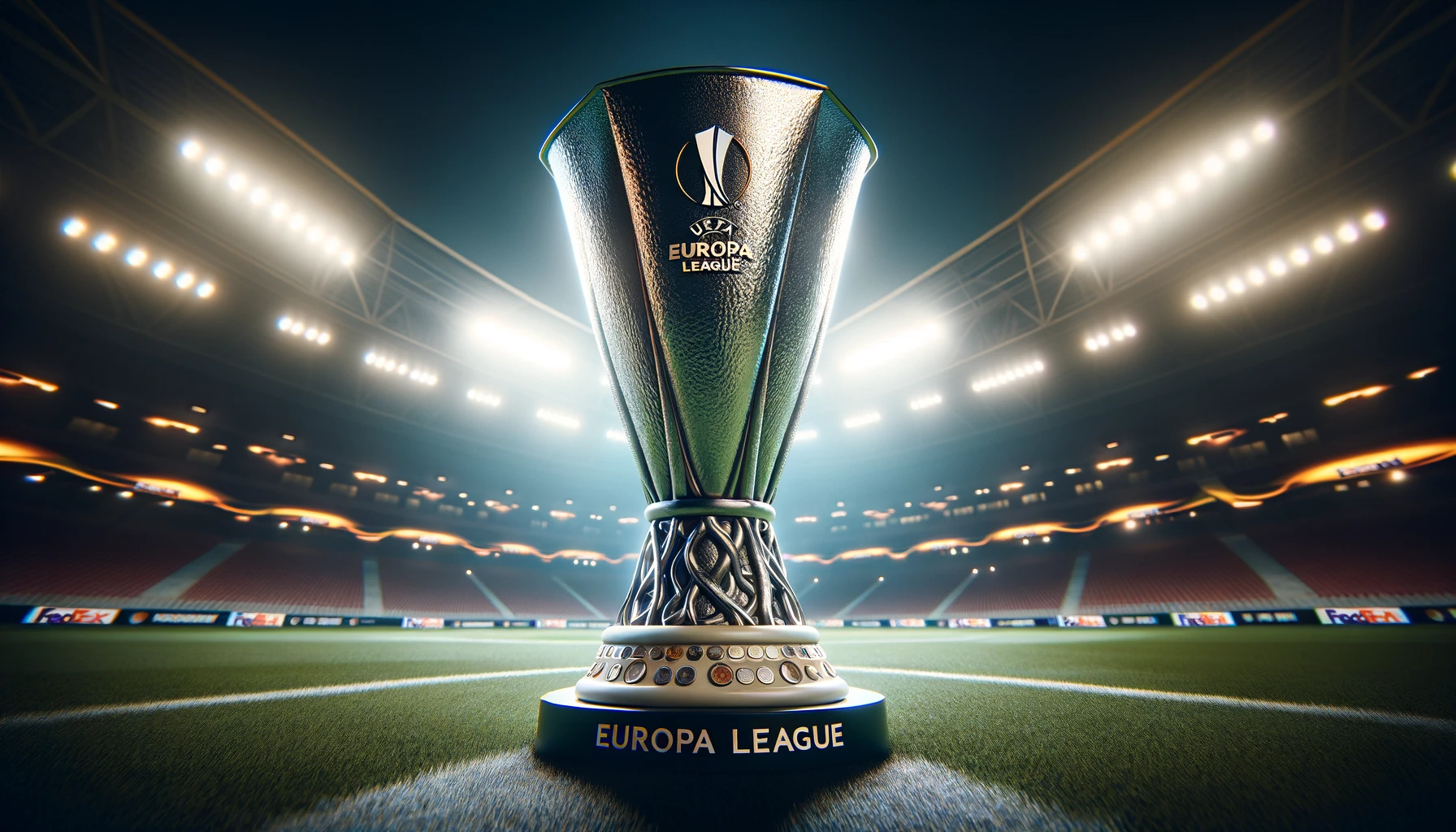
The UEFA Europa League, a prestigious annual football competition organized by the Union of European Football Associations (UEFA), has been a staple in European football since 1971. It is open to eligible football clubs based on their performances in national leagues and cup competitions. As UEFA’s second-tier club football competition, it stands just below the illustrious UEFA Champions League in terms of prestige.
Europa League Favorites
When discussing Europa League favorites, we refer to teams that consistently demonstrate exceptional skills in their domestic leagues or have a storied history of success in European tournaments. These clubs, often adorned with a mix of seasoned internationals and emerging stars, bring an exciting and unpredictable element to the tournament. Teams like Sevilla FC, known for their record-breaking number of titles in the competition, Manchester United with their extensive global following and rich heritage, and Inter Milan, renowned for their strategic acumen, are frequently viewed as the front-runners in the Europa League.
Expanded Format and Growing Appeal
The Europa League commences with a group stage featuring 48 teams, advancing into exhilarating knockout rounds, culminating in a final held in a different city each year. The champion secures a spot in the UEFA Super Cup and, since the 2014-15 season, gains entry into the Champions League. This progression route adds a substantial incentive for participating clubs.
The tournament is lauded for its inclusiveness, providing a platform for teams from smaller European nations to challenge the more established football powerhouses. This diversity not only adds a unique charm to the Europa League but also introduces a level of unpredictability and excitement to the matches. Over the years, its popularity and prestige have soared, turning it into a stage where lesser-known teams can display their prowess.
Betting on the UEFA Europa League: An Overview
The UEFA Europa League, with its diverse range of teams and unpredictable nature, presents a unique opportunity for sports betting enthusiasts. Betting on this tournament has become increasingly popular, offering a variety of markets and odds. From outright winners to individual match bets, goal scorers, and even in-play betting, the Europa League offers a plethora of options for both seasoned and novice bettors.
Understanding Odds and Markets
When betting on the Europa League, understanding the odds and the different markets available is crucial. The odds can vary significantly based on a team’s form, historical performance in European competitions, and even injuries or suspensions of key players. Popular markets include match winner, over/under goals, both teams to score, and handicap betting. Special bets like the number of yellow cards, corners, and player-specific bets add extra layers of complexity and excitement.
Strategic Betting in the Europa League
To be successful in betting on the Europa League, one must adopt a strategic approach. This involves thorough research on the participating teams, keeping up-to-date with the latest news and statistics, and understanding the dynamics of European club football. It’s also important to recognize the unpredictable nature of the tournament; upsets are common, making the Europa League both challenging and exciting for bettors.
As with any form of gambling, it’s important to approach betting on the Europa League responsibly. Setting limits, avoiding emotional betting, and understanding the risks are key to ensuring a healthy and enjoyable betting experience. Many betting platforms offer tools and resources to promote responsible betting practices among their users.
Historical Highlights and Legacy
The Europa League has a rich history, with many memorable moments and matches that have contributed to its legacy. From last-minute goals to underdog triumphs, the tournament has been a source of excitement and drama for football fans. The competition has also been a proving ground for future stars, with many players making a name for themselves in the Europa League before moving on to greater success in their careers.
Economic and Social Impact
The Europa League also has a significant economic and social impact. Hosting matches can boost local economies, and the global reach of the tournament offers clubs substantial financial rewards through television rights, sponsorships, and prize money. For players, the Europa League represents a chance to showcase their talents on a broader stage, potentially leading to transfers to bigger clubs and national team call-ups.
As an integral part of the European football landscape, the Europa League offers a unique combination of competitive spirit, opportunities for emerging talent, and thrilling football action. It’s not just a tournament; it’s a celebration of football, bringing together clubs, players, and fans in a shared passion for the game. With each season, the Europa League continues to capture the imagination of the football world, maintaining its status as a highly anticipated event in the sporting calendar.